
In this article
- Why can a healthy lunch cause bloating?
- Common foods that may trigger bloating
- How to identify your own food triggers
- When bloating needs medical advice
- Why ingredient stacking can change the result
- Portion, preparation and eating pace all matter
- How to reintroduce foods without losing variety
- Build a balanced lunch that is easier to investigate
- Worked example: investigate a lunch without blaming every ingredient
- When the food itself may not be the main issue
Why can a healthy lunch cause bloating?
Bacteria naturally ferment carbohydrates that reach the large intestine. That process produces gas. A large salad, grain bowl or smoothie can stack several fermentable foods into one meal, particularly if your usual fibre intake is lower.
Common foods that may trigger bloating
| Food or ingredient | Why it may be noticed | A useful test |
|---|---|---|
| Onion and garlic | Concentrated fructans, including in powders | Compare a meal made without them |
| Beans and chickpeas | Fermentable carbohydrates plus a fibre jump | Test a smaller drained portion |
| Apple, pear or dried fruit | Can add fructose or polyols | Try one fruit at a time |
| Large wheat portions | May add fructans, not just gluten | Compare portion and ingredients |
| Sugar-free gum or mints | Polyols can draw water and ferment | Check labels for sorbitol or xylitol |
How to identify your own food triggers
Avoid broad, long-term restriction without guidance. If many foods seem to trigger symptoms or your diet is shrinking, a registered dietitian can help protect variety and nutrition.
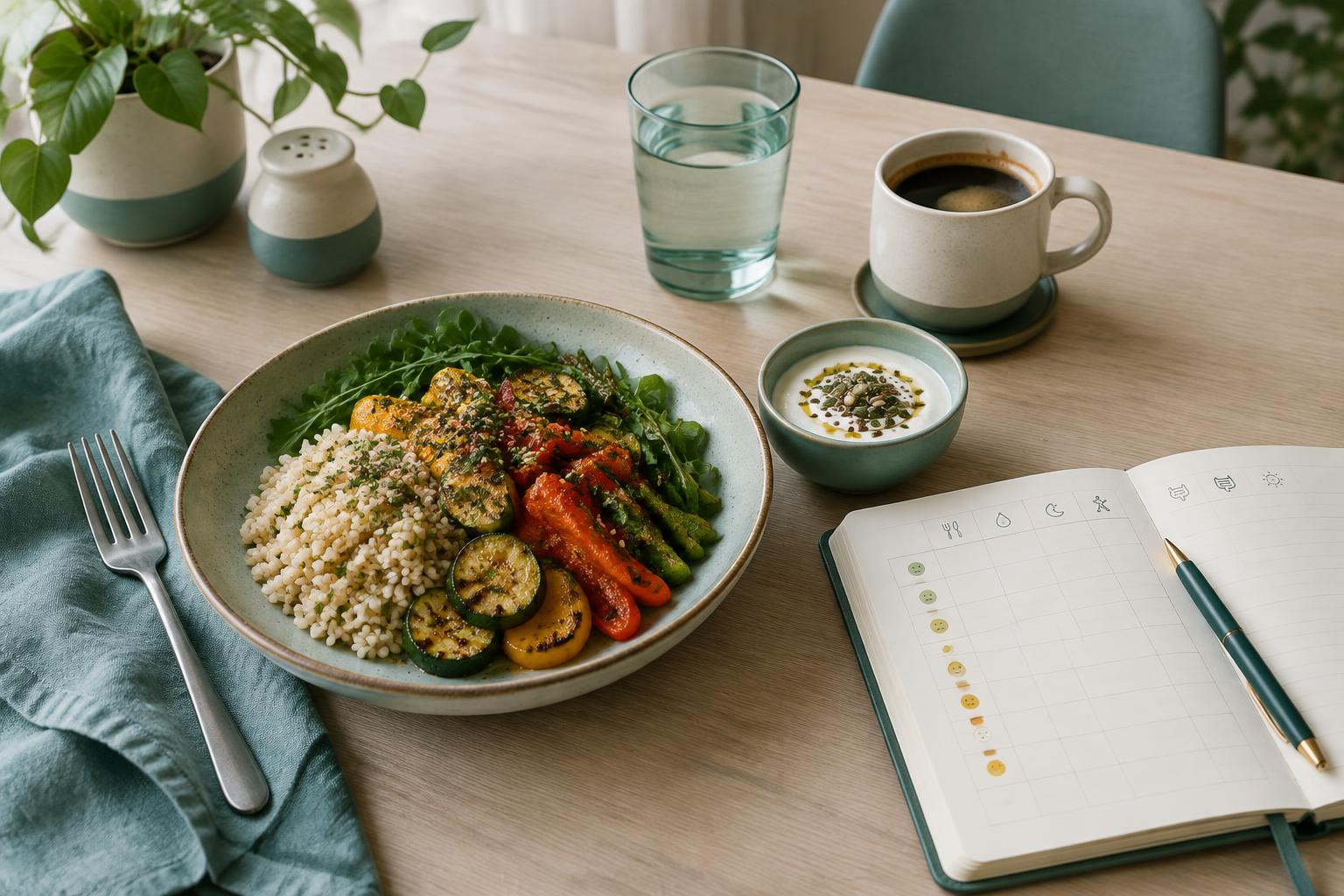
A healthy lunch often contains several possible triggers at once, so memory alone rarely separates them. Snapping the meal in Gut Pace records the ingredients and approximate portions, and logging bloating afterwards keeps cause candidates and outcomes together — making it easier to change one ingredient at a time rather than giving up the whole meal.
- 1
Record the complete meal
Include sauces, dressings, powders, drinks and approximate portions—not just the headline ingredient.
- 2
Track timing
Note symptoms and their onset rather than assigning blame immediately.
- 3
Repeat carefully
A repeated pattern is more useful than one difficult afternoon.
- 4
Change one variable
Adjust portion or one ingredient while keeping the rest of the meal similar.
When bloating needs medical advice
Talk to a healthcare professional about frequent, painful or worsening bloating, especially with vomiting, blood in stool, unintentional weight loss, fever or a persistent change in bowel habits.
Why ingredient stacking can change the result
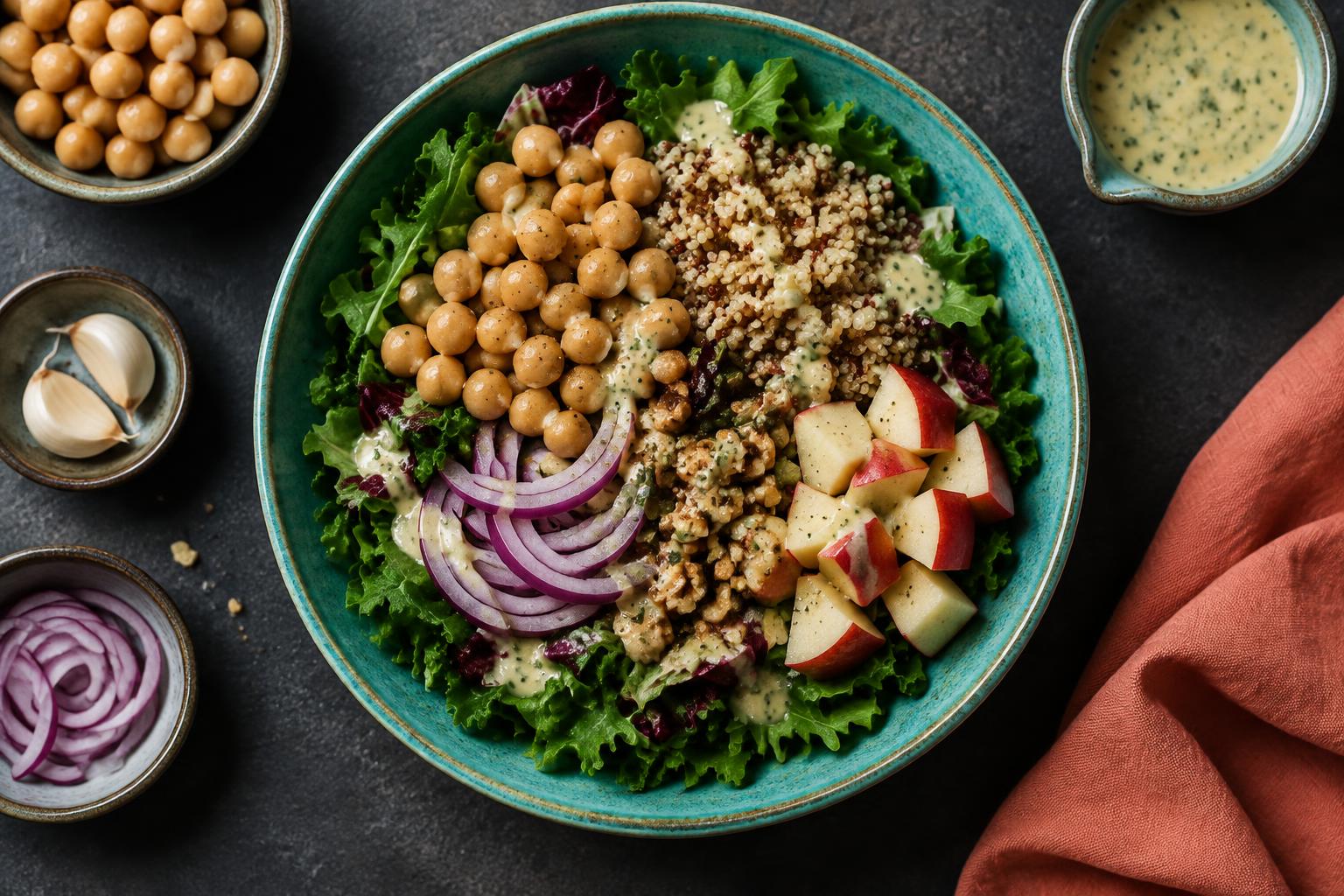
A lunch may combine several ingredients that each contribute fermentable carbohydrates: wheat in a wrap, chickpeas in hummus, onion in dressing and dried fruit in a salad. Even when a smaller amount of each food is tolerated alone, the combined load can feel different.
Stacking is not proof that every ingredient must be avoided. It is a reason to simplify a test meal, keep portions visible and compare like with like.
| Lunch element | Possible issue | Adjustment to test | What remains |
|---|---|---|---|
| Large mixed-bean salad | Several fermentable servings together | Use a smaller drained portion of one pulse | Protein, fibre and texture |
| Onion or garlic dressing | Concentrated fructans | Try garlic-infused oil without garlic solids | Flavour and healthy fats |
| Wrap, couscous and hummus | Wheat and pulse sources in one meal | Choose one main starch for the comparison | A balanced lunch structure |
| Apple plus dried fruit | Fructose and polyols may stack | Test one fruit in a smaller portion | Fruit remains in the meal |
| Sugar-free gum after lunch | Polyol sweeteners may ferment | Check for sorbitol or xylitol | A direct comparison is possible |
Portion, preparation and eating pace all matter
The name of a food does not capture the dose. A spoonful of chickpeas, a large bowl and several pulse-based ingredients create different exposures. Cooking, draining canned pulses and spreading fibre across meals can also change the experience.
Eating quickly may add swallowed air and make it harder to notice fullness. Record whether lunch was rushed, unusually large or eaten after a long gap, rather than treating the ingredient list as the whole explanation.
- Compare similar meals with one portion changed.
- Record sauces, stocks, spice blends and drinks.
- Keep the rest of the day reasonably typical during a test.
- Do not interpret one symptom-free or difficult meal as a final answer.
How to reintroduce foods without losing variety
Once a repeated pattern appears, the goal is usually to find a tolerated amount—not to build a permanent forbidden-food list. A structured reintroduction starts with a small serving, increases it on separate occasions if comfortable and records the response.
Do not deliberately challenge a suspected allergy or any food linked with swelling, breathing difficulty, faintness or another severe reaction. Those symptoms need medical advice, not home testing.
- 1
Choose one ingredient
Test a single suspected food while the rest of the meal stays familiar.
- 2
Start with a modest portion
Use an amount below the meal that previously caused difficulty.
- 3
Record timing and severity
Note what happened and when, including sleep, stress and bowel changes.
- 4
Review before increasing
Only continue if the first test was safe and manageable; seek dietetic help if your diet is narrowing.
Build a balanced lunch that is easier to investigate
A simpler lunch can still be nutritionally complete. Start with a tolerated carbohydrate, add a protein, include a manageable portion of vegetables or fruit, and add flavour or fat. This makes the meal easier to reproduce and adjust than a bowl containing many small ingredients.
Simple does not mean bland or permanently restrictive. It means you can identify what changed. Once the meal is comfortable, add variety one component at a time.
Energy needs differ, so the examples below are structures rather than prescribed portions. Anyone with diabetes, allergies, coeliac disease, kidney disease or another dietary requirement should adapt them with appropriate professional advice.
| Lunch component | Example starting options | Detail to record |
|---|---|---|
| Carbohydrate | Rice, potato, oats or tolerated bread | Type and approximate portion |
| Protein | Eggs, fish, poultry, tofu or tolerated pulses | Preparation and sauces |
| Produce | One or two tolerated vegetables or fruit | Raw versus cooked and portion |
| Flavour or fat | Herbs, infused oil or tolerated dressing | Onion, garlic and sweeteners |
| Drink | Water or usual beverage | Carbonation, caffeine and amount |
Worked example: investigate a lunch without blaming every ingredient
Imagine that a large wheat wrap with hummus, onion, avocado, apple and a fizzy drink is followed by bloating on several occasions. Removing the entire meal would not reveal whether portion, stacking, carbonation or eating pace contributed.
A clearer comparison keeps the overall lunch familiar while reducing one suspected exposure. The next test might use a tolerated wrap, chicken, cucumber and an onion-free dressing with still water. If symptoms settle repeatedly, individual ingredients can be reintroduced in measured portions.
This example cannot diagnose an intolerance and should never be used to challenge a suspected allergy. Its purpose is to show why controlled comparisons provide better information than a permanent ban after one meal.
- 1
Write the full meal
Include sauces, drinks, sweeteners and approximate portions.
- 2
Choose one test question
For example: does removing onion while keeping the meal similar change the repeated response?
- 3
Repeat on comparable days
Note sleep, stress, pace and unusually long meal gaps.
- 4
Reintroduce safely
If appropriate, test a measured portion rather than assuming lifelong avoidance.
When the food itself may not be the main issue
Lunch often sits in the middle of a busy day. Eating at a desk, rushing after a long gap, talking while chewing or drinking through a straw can increase swallowed air or make fullness harder to notice. Tight clothing and sitting hunched immediately after a large meal can also affect comfort.
Constipation can make post-meal bloating more noticeable even when lunch is not the root cause. Menstrual-cycle changes, stress, medicines and recent illness may alter the same meal’s effect from one day to another.
This does not mean symptoms are imagined. It means the meal exists within a wider physical context. Logging that context reduces the chance of creating an unnecessarily restrictive diet.
- Record the time since the previous meal.
- Note whether the meal was rushed or unusually large.
- Check the bowel pattern over the preceding few days.
- Include carbonated drinks, gum and sugar-free sweets.
- Compare recurring patterns instead of one difficult afternoon.
At a glance
Key takeaways
- Healthy foods can still cause bloating in a sensitive gut.
- Portion size and combinations often matter more than a simple food list.
- Hidden onion, garlic and polyols are easy to miss.
- Test one change at a time and look for repeated timing.
- Do not let self-testing turn into an unnecessarily restricted diet.
Frequently asked questions
Why do I get bloated after eating salad?
A large raw-vegetable portion, onions, pulses, fruit or dressing ingredients can create a high fibre and fermentable-carbohydrate load in one meal.
What foods commonly cause bloating?
Common examples include onion, garlic, beans, some fruits, large wheat portions and polyol sweeteners, but tolerance and serving size vary.
How soon after eating can bloating start?
Timing varies with the food, portion and your digestion. Recording when symptoms begin is more useful than assuming the most recent food is responsible.
Should I stop eating every food that causes gas?
No. Some gas is normal, and broad restriction can reduce dietary variety. Test portions carefully and seek professional help if symptoms are persistent.
Are onion and garlic bad for gut health?
No. They are nutritious and well tolerated by many people, although their fructans can trigger symptoms in some sensitive guts, especially in larger or concentrated servings.
Can eating too quickly make lunch bloating worse?
It may contribute by increasing swallowed air and making fullness harder to notice, but it is only one possible factor.
Should I avoid FODMAPs permanently after finding a trigger?
Usually not. The aim is to establish personal portions and bring tolerated foods back, ideally with dietetic guidance if restriction is extensive.
Editorial information
Reviewed by the Gut Pace Editorial Team against established FODMAP guidance; individual tolerance and medical assessment remain essential.
Last reviewed: Sep 12, 2026
Sources & further reading
- Monash University — About FODMAPs and IBS
- PubMed — Low-FODMAP diet trial in IBS
- NHS — Bloating
- NIDDK — Eating, diet and nutrition for IBS
- Cleveland Clinic — Low-FODMAP diet
This article is for general information only and is not medical advice. It does not diagnose or treat any condition. Speak with a doctor or registered dietitian about persistent, severe or concerning symptoms.