
In this article
What the gut–brain axis includes
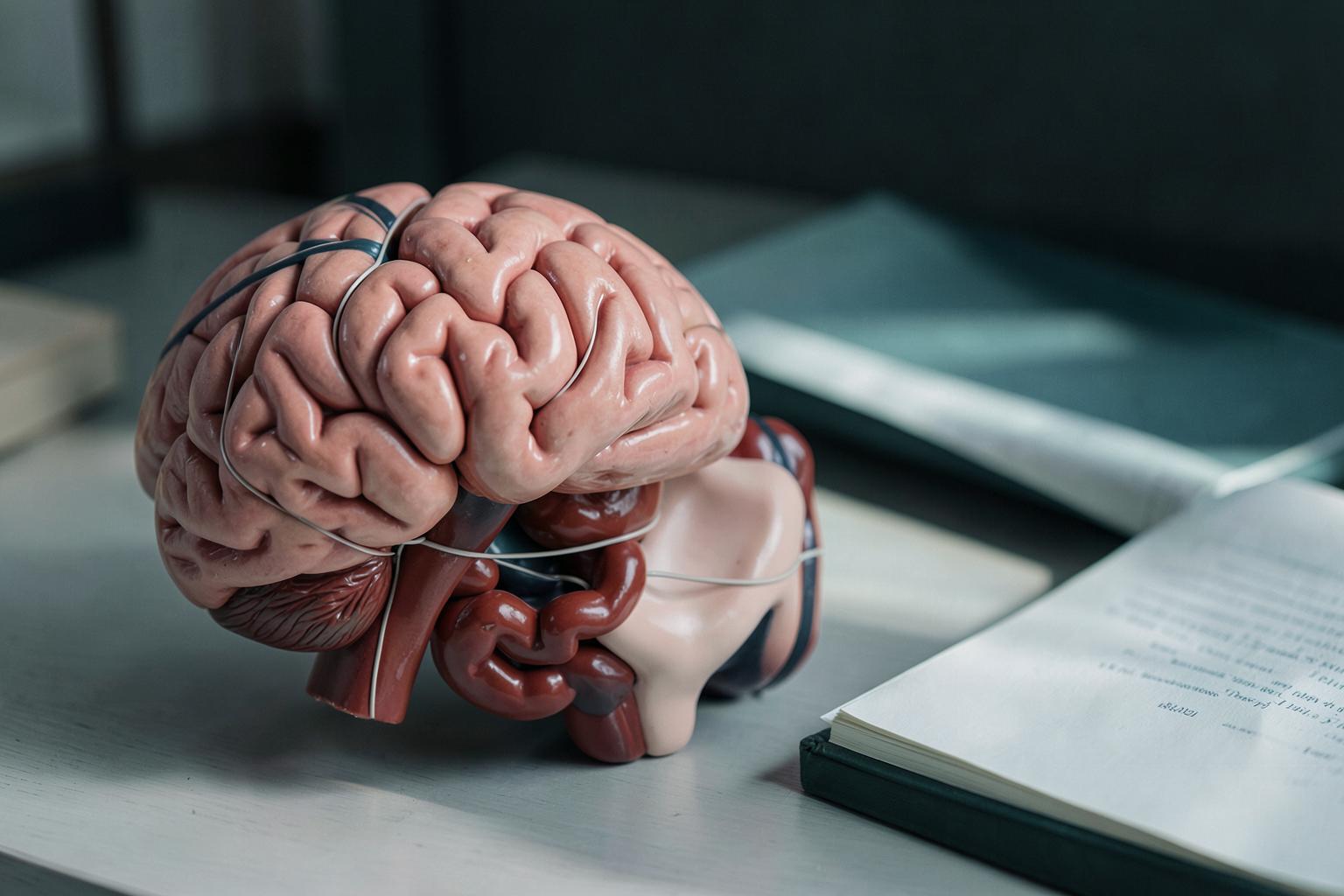
The enteric nervous system coordinates much of digestion locally, while the brain, spinal cord, autonomic nerves and hormones respond to context. The vagus nerve is one pathway within a much larger network.
Microbial activity and immune signals may also participate, but consumer claims often run ahead of evidence.
| Pathway | Possible digestive role | What you might notice |
|---|---|---|
| Autonomic nerves | Influence movement and secretion | Urgency or slowing |
| Stress hormones | Change physiological readiness | Appetite or nausea shifts |
| Visceral sensitivity | Changes how sensations are perceived | More intense pain or fullness |
| Behaviour and routine | Changes meals, sleep and movement | Indirect symptom changes |
Stress-related symptoms are real symptoms
A symptom influenced by stress is still physical. The gut may move faster or slower, and ordinary stretching can feel more uncomfortable when sensitivity rises.
Stress is one possible contributor, not a diagnosis and not a reason to skip assessment of persistent symptoms.
Common gut–brain patterns to observe
- Urgency before a presentation or journey
- Constipation during prolonged routine disruption
- Pain that intensifies after poor sleep
- Reduced appetite during acute stress
- Symptoms that continue after the stressful event has passed
How to track stress without blaming it for everything
In Gut Pace you can record stress during daily check-ins next to meals, sleep and symptoms. Seeing these together helps you tell the difference between a symptom that appears in stressful weeks and one that follows a particular food — without assuming stress explains everything. The AI coach can help you review the patterns you have logged, but it does not diagnose or treat anything.
| Record | Simple method | Important limitation |
|---|---|---|
| Stress context | Low, medium, high | A rating does not prove causation |
| Symptom | Type, severity, onset | Symptoms still need medical context |
| Meals | Ingredients and timing | Avoid assuming food or stress alone |
| Sleep | Duration and quality | Often overlaps with stress |
| Exceptions | High-stress comfortable days | Prevents confirmation bias |
Supportive actions that do not promise a cure
- 1
Protect a meal window
Regular eating can reduce long gaps and rushed oversized meals.
- 2
Use a brief downshift
Slow breathing or a short walk can support recovery without claiming to treat disease.
- 3
Keep sleep cues steady
A consistent wake time gives the day a stable anchor.
- 4
Seek appropriate therapy
Gut-directed psychological therapies have evidence for some people with IBS and should be delivered appropriately.
When to seek medical or mental-health support
Seek medical care for persistent digestive symptoms or warning signs. Seek mental-health support when anxiety, panic, low mood or food fear is limiting daily life.
At a glance
Key takeaways
- The gut–brain axis is a physical two-way system.
- Stress can change movement and sensitivity.
- Symptoms are real even when context influences them.
- Track exceptions as well as apparent links.
- Medical and psychological care can complement each other.
Frequently asked questions
Can stress cause digestive symptoms?
Stress can contribute to nausea, urgency, constipation, pain or bloating through physical pathways, but persistent symptoms need proper assessment.
Is a nervous stomach imaginary?
No. Brain–gut signalling can produce real changes in movement, secretion and sensation.
What is the vagus nerve?
It is one major nerve carrying signals between the brain and internal organs, but it is only one part of the gut–brain axis.
Can anxiety cause IBS?
IBS has multiple contributing factors. Anxiety can influence symptoms but does not by itself establish the diagnosis.
Does meditation cure gut problems?
No. Relaxation practices may support stress management but do not replace medical treatment.
How do I track stress and digestion?
Use simple ratings alongside symptom timing, sleep, meals and exceptions; avoid treating one association as proof.
When should I see a doctor?
For persistent, worsening or disruptive symptoms, and promptly for bleeding, weight loss, fever, vomiting or severe pain.
Editorial information
Reviewed by the Gut Pace Editorial Team for evidence-informed wording, practical clarity and appropriate medical-safety guidance.
Last reviewed: Sep 12, 2026
Sources & further reading
- NCCIH — IBS and complementary approaches
- NIDDK — Eating, diet and nutrition for IBS
- NIDDK — Your digestive system and how it works
This article is for general information only and is not medical advice. It does not diagnose or treat any condition. Speak with a doctor or registered dietitian about persistent, severe or concerning symptoms.