
In this article
- Why everyday habits matter for digestion
- Understanding how your digestive system works
- Habit one: eat regular, balanced meals
- Habit two: include fibre gradually
- Habit three: stay hydrated throughout the day
- Habit four: eat mindfully and chew thoroughly
- Habit five: move your body regularly
- Habit six: improve your sleep routine
- Habit seven: manage everyday stress
- Habit eight: understand your personal food triggers
- Habit nine: build a consistent bathroom routine
- Habit ten: track your symptoms instead of guessing
- How a gut health app can support better daily habits
- A simple seven-day gut health habit plan
- Common mistakes to avoid when improving digestion
- When to seek professional medical advice
- Make gut health a daily practice
Why everyday habits matter for digestion
Maybe you feel bloated after lunch most weekdays but rarely on weekends. Perhaps your bowel habits change during a stressful week at work, or you have a feeling that a certain food upsets you but can never quite prove it. These experiences are very common, and they are frustrating precisely because they seem random.
Digestion is rarely shaped by one thing. What you eat matters, but so do portion size, meal timing, how much you drink, how much you move, how well you sleep, how stressed you feel and any health conditions or medicines you have. When several of these shift together, it becomes hard to tell which one made the difference.
That is why the most useful approach to improve digestion naturally is usually not a dramatic cleanse or a long list of banned foods. It is a handful of small, sensible habits, repeated consistently, combined with honest observation of how your body responds. Over time, that observation turns vague impressions into patterns you can actually see.
Gut Pace is a gut health app built for exactly this kind of observation. It lets you log meals, digestive symptoms, bowel movements, hydration, sleep and stress in one place so you can review them together. Throughout this guide, we will show where that tracking fits — and where its limits are.
Understanding how your digestive system works
Digestion begins before you swallow. Chewing breaks food into smaller pieces and mixes it with saliva, which starts breaking down some starches. In the stomach, acid and enzymes continue the work while muscular contractions churn food into a soft mixture that passes gradually into the small intestine.
The small intestine is where most nutrients are absorbed. Bile from the liver and enzymes from the pancreas help break down fats, proteins and carbohydrates so they can pass through the intestinal lining into the bloodstream. What is not absorbed moves on to the large intestine.
In the large intestine, or colon, water is reabsorbed and trillions of microbes — the gut microbiome — ferment fibres and other compounds the body cannot digest alone. This fermentation produces useful substances, and also gas, which is a normal part of digestion. The remaining material forms stool, which is eventually passed as a bowel movement.
Every part of this system is influenced by nerves, hormones and the brain. That helps explain why two people can eat the same meal and feel completely different afterwards, and why the same person may feel different after that meal on a tired, stressed day. Rather than assuming everyone should follow the same diet or routine, it is more helpful to learn what is typical for you.
| Part of the gut | Main job | What you might notice |
|---|---|---|
| Stomach | Mixes and begins breaking down food | Fullness, reflux or discomfort after large meals |
| Small intestine | Absorbs most nutrients | Bloating or discomfort a few hours after eating |
| Large intestine | Absorbs water and forms stool | Changes in stool form, frequency or gas |
| Gut microbiome | Ferments fibre and produces metabolites | Gas or bowel changes after certain foods |
Habit one: eat regular, balanced meals
The gut tends to like rhythm. Eating at broadly similar times each day can make hunger more predictable and avoid the pattern of skipping meals and then eating a very large one late in the day — a combination many people find uncomfortable. Regular meals do not need to be rigid; a consistent general routine is enough.
A balanced plate usually includes some protein, some starchy carbohydrate (ideally wholegrain where tolerated), vegetables or fruit and a little healthy fat. Portion awareness matters too: a meal that sits well at a moderate size may feel heavy when it is doubled. Eating slowly gives your body time to register fullness before you overeat.
Food tolerance varies, and people with conditions such as IBS, coeliac disease or inflammatory bowel disease may need individual advice from a doctor or registered dietitian. The examples below are general ideas, not a prescription.
Snap a photo with the AI food scanner or describe a meal by voice, and Gut Pace records it with the time you ate. Over a few weeks you can compare those food records with the symptoms you logged to see whether meal size, timing or particular dishes seem to line up with discomfort.
- Breakfast: porridge made with oats, topped with berries and a spoon of nut butter, or eggs with wholegrain toast and tomatoes.
- Lunch: a grain bowl with rice or quinoa, chicken, tofu or beans, roasted vegetables and a simple dressing.
- Dinner: baked fish or lentils with potatoes and steamed greens, eaten early enough that you are not going to bed very full.
Habit two: include fibre gradually
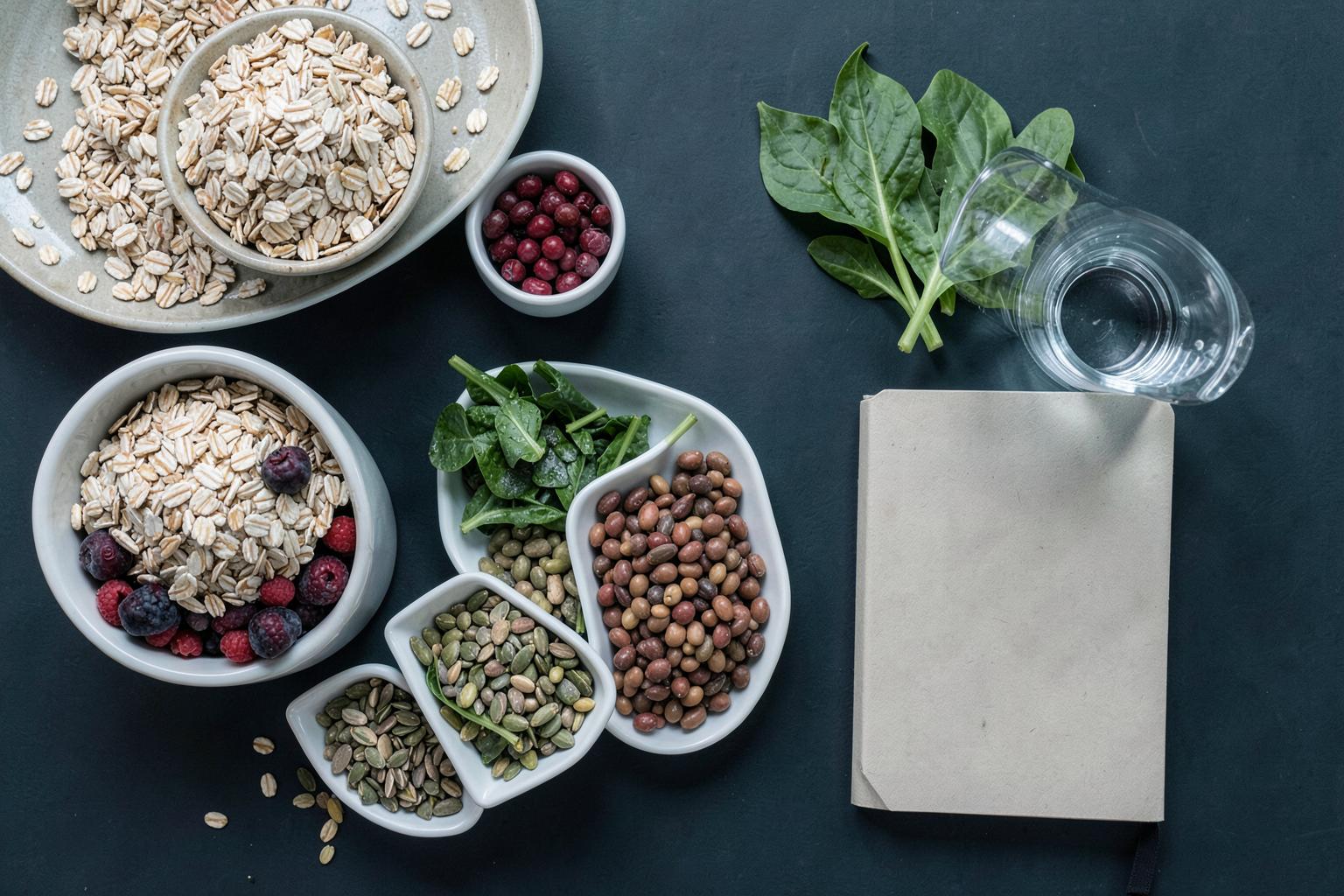
Fibre is the part of plant foods your body cannot fully digest. Soluble fibre, found in oats, apples, citrus, beans and lentils, absorbs water and forms a soft gel that can help stools stay comfortable to pass. Insoluble fibre, found in wholegrains, nuts, seeds and the skins of many vegetables, adds bulk and helps material move through the bowel.
Both types are useful, and many foods contain a mix. Fibre also feeds gut microbes, which is one reason a varied intake of tolerated plant foods is widely encouraged for digestive health. However, increasing fibre too quickly can cause gas, bloating and cramping, because microbes need time to adjust to the extra fermentation.
A gradual approach is usually more comfortable: add one new fibre source at a time, keep portions modest at first and increase over a couple of weeks. Drinking enough fluid alongside extra fibre matters, as fibre works best when it can absorb water. Some people with IBS find certain high-fibre foods trigger symptoms, so individual guidance can help.
Because every meal is logged, you can look back and see how varied your plant foods really were this week, and note whether bloating or bowel changes followed a fibre-rich day. Our guide to fibre for gut health goes deeper into food sources.
- 1
Start with one change
For example, swap a white breakfast cereal for oats, or add a portion of vegetables to lunch.
- 2
Hold it for a few days
Notice how you feel before adding anything else.
- 3
Add variety slowly
Introduce fruit, pulses, wholegrains or seeds one at a time, in small amounts.
- 4
Pair with fluids
Spread drinks through the day so extra fibre has water to work with.
Habit three: stay hydrated throughout the day
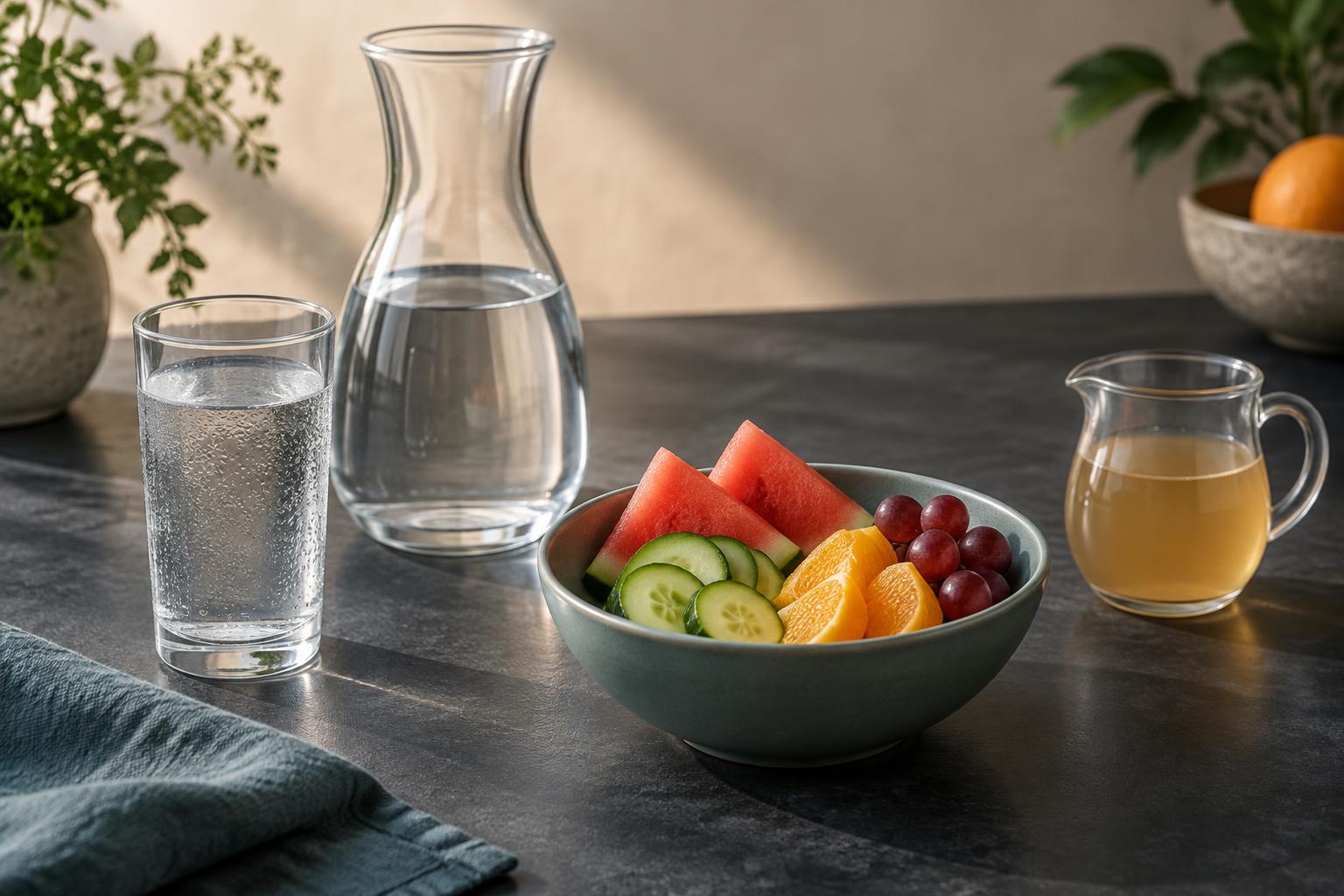
Water plays a quiet but important role in digestion. It helps form saliva and digestive juices, supports the movement of food through the gut, and is absorbed and reabsorbed in the colon to give stool its consistency. When fluid intake is low, stools can become harder and more difficult to pass, especially if fibre intake is rising.
There is no single water target that suits everyone. Needs vary with body size, climate, activity, health conditions and diet; many foods such as fruit, soup and yoghurt also provide fluid. A practical sign is pale-yellow urine for most of the day, but people with heart or kidney conditions should follow their clinician's advice on fluids.
Simple habits work best: keep a water bottle within reach, have a drink with each meal, and sip regularly rather than drinking a large amount at once. Notice whether fizzy drinks, which add gas, make you feel more bloated.
Hydration logging takes a tap, so you can see how consistent your drinking really is rather than guessing. Comparing hydration with stool type over a few weeks can show whether low-fluid days tend to come before harder stools. Learn more about hydration and gut health in our dedicated article.
Habit four: eat mindfully and chew thoroughly
Eating quickly, eating while working or scrolling, and taking large bites can mean you swallow more air and chew less thoroughly. For some people, this contributes to bloating, fullness or discomfort after meals. Eating fast can also make it easier to overeat before your body signals fullness.
Mindful eating simply means paying attention while you eat. It does not require special rules. Putting your fork down between bites, chewing until food is soft, and noticing taste and fullness are enough to start.
A calmer mealtime might look like this: sit down at a table rather than eating at your desk, take three slow breaths before the first bite, eat without a screen for the first five minutes, and pause halfway to check how full you feel. Even one calmer meal a day is a meaningful change.
Each logged meal carries a time, and you can note symptoms such as bloating or discomfort as they happen. If rushed lunches at your desk keep appearing before afternoon symptoms, the pattern becomes visible in your history.
Habit five: move your body regularly
Physical activity stimulates the natural muscle contractions of the gut and is associated with more regular bowel habits for many people. It also supports mood, sleep and stress levels, all of which interact with digestion. You do not need intense workouts; consistency matters more than intensity.
Walking is one of the easiest options. A ten-to-fifteen minute walk after a meal can feel especially comfortable. Gentle stretching, yoga, swimming, cycling or chair-based exercise can all count, depending on your ability and preferences.
If you connect Apple Health or Samsung Health, steps and activity can sit alongside your symptoms automatically. You can also log lifestyle notes yourself, building a broader picture of your routines rather than looking at food in isolation.
- Take a short walk after lunch or dinner.
- Use stairs where you can, or get off the bus one stop early.
- Set a reminder to stand and stretch every hour if you sit for work.
- Choose an activity you enjoy so it is easier to keep going.
Habit six: improve your sleep routine
Sleep and gut health are linked in both directions. Poor or short sleep can affect appetite, food choices, stress levels and how sensitive you are to digestive sensations, while digestive discomfort can in turn make it harder to sleep. Many people with IBS notice that symptoms feel worse after a run of bad nights.
Better sleep will not cure a digestive condition, but a steadier routine may help you feel more resilient. Useful sleep hygiene habits include going to bed and waking at similar times, keeping the bedroom dark and cool, limiting caffeine later in the day, and avoiding very large meals close to bedtime.
Sleep data from a connected wearable, or sleep you log yourself, appears next to your symptoms. You can see whether shorter or more disturbed nights tend to come before days with more bloating or bowel changes. Our article on sleep and gut health explains the connection in more detail.
Habit seven: manage everyday stress
The gut and brain communicate constantly through nerves, hormones and immune signals — often called the gut–brain connection. Stress can change how quickly the gut moves, affect appetite, alter bowel habits and make normal digestive sensations feel more intense. This is a physical process, not something imagined.
Stress is only one possible influence, though. Digestive symptoms can have many causes, including infections, food intolerances and medical conditions, so stress should never be assumed to be the whole explanation.
Accessible strategies can still make a difference. Slow breathing — for example, breathing in for four counts and out for six, for a few minutes — may help calm the body. Regular short breaks, time outdoors, gentle movement, talking to someone you trust and protecting time for rest are all worth trying. If stress or anxiety feels overwhelming, professional support can help.
You can log stress alongside symptoms during daily check-ins. When these records sit together, recurring associations — such as symptoms clustering around deadline weeks — become easier to notice and discuss with a professional.
Habit eight: understand your personal food triggers
Foods affect people differently. Common examples that some people find uncomfortable include certain dairy products in those with lactose intolerance, carbonated drinks, very large or fatty meals, alcohol, and particular high-FODMAP foods such as onion, garlic, some beans and certain fruits. Yet many people tolerate these well, so a list of common triggers is a starting point, not a rule.
Symptoms also have more than one possible cause. The meal you ate just before feeling bloated may not be responsible; portion size, an earlier meal, stress, sleep or your menstrual cycle may all play a part. This is why guessing from a single bad day so often leads to the wrong conclusion.
Cutting out several food groups at once without guidance can make your diet unnecessarily restrictive, affect nutrition and make it harder to work out what actually matters. Structured approaches such as a low-FODMAP diet are best done with a registered dietitian, and include a reintroduction phase.
Gut Pace grades the FODMAP content of logged ingredients and lets you compare meals with later symptoms. Over time this may highlight possible associations worth exploring — and gives you organised records to share with your doctor or dietitian rather than relying on memory.
Habit nine: build a consistent bathroom routine
Responding to the urge to have a bowel movement, rather than repeatedly putting it off, can help prevent stools from becoming harder. Many people find the gut is most active after waking and after meals, especially breakfast, so allowing a few unhurried minutes at those times can help. Resting your feet on a small stool so your knees are higher than your hips may make passing stool easier.
There is no single ideal bowel frequency. Anywhere from three times a day to three times a week can be normal for different people. What matters more is what is usual for you, whether stools are comfortable to pass, and whether there is a persistent change from your normal pattern.
A change in bowel habit lasting more than a few weeks, especially with other symptoms, is worth discussing with a doctor.
Stool logging uses the Bristol Stool Scale (types 1–7), so you can record form and frequency in seconds. Over time you get a clear history of your bowel pattern and any changes, which is far more useful in an appointment than trying to remember.
Habit ten: track your symptoms instead of guessing
This habit ties all the others together. Without records, it is very hard to know which changes are helping and which are not.
Memory is unreliable for this kind of detail. We tend to remember the most recent or most dramatic episode, and to blame whatever we ate last. Patterns that unfold over several days — such as bloating that follows two nights of poor sleep — are almost impossible to spot without writing things down.
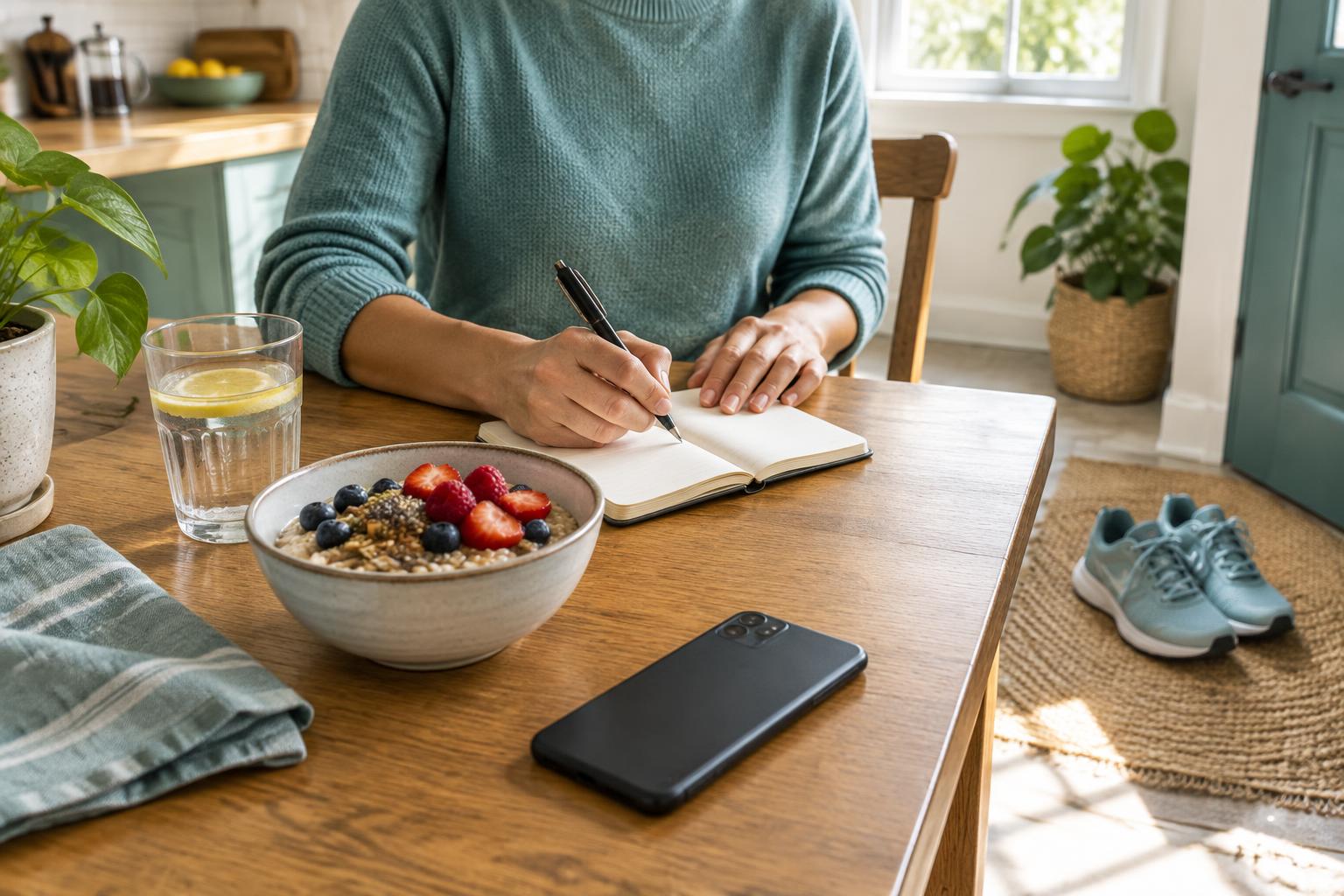
A food and symptom tracker or gut health journal turns those scattered moments into a timeline. You do not need to record everything perfectly; consistent, reasonably accurate entries are more useful than detailed entries you abandon after three days.
- Meals and snacks, including rough portion sizes.
- Meal timing, and whether meals were rushed or relaxed.
- Bloating, abdominal discomfort and how strong they felt.
- Bowel movements and stool changes.
- Water and other drinks through the day.
- Sleep duration and how rested you felt.
- Stress and mood.
- Relevant lifestyle changes such as travel, illness, new medicines or your menstrual cycle.
| Week | What Maya logged | What she noticed |
|---|---|---|
| Week 1 | Meals, symptoms and stool type daily | Bloating most afternoons, but no clear food link |
| Week 2 | Added hydration and sleep | Afternoon bloating was worse after nights under six hours |
| Week 3 | Added meal timing | Rushed desk lunches appeared on most high-bloating days |
| Week 4 | Tried slower lunches away from the desk | Fewer high-bloating afternoons — a possible link to discuss with her GP |
How a gut health app can support better daily habits
A gut health app is a digital gut health journal: a place to record food, symptoms and daily habits, then review them over time. Compared with notes scattered across a paper diary, a phone memo and your memory, keeping everything in one place makes it far easier to log consistently and to see connections.
Gut Pace is designed as a digestive health app and IBS symptom tracker. You can log meals with the AI food scanner or by voice, record symptoms and stool type, add hydration and stress, and bring in sleep and activity from Apple Health or Samsung Health. Daily Logging Points encourage consistency, and the AI Gut Coach can help you review what you have logged in plain language.
When you have an appointment, you can export a summary of symptom history and stool trends to discuss with your GP, gastroenterologist or dietitian. Gut Pace supports awareness and tracking. It does not diagnose IBS, detect diseases or guarantee that your symptoms will improve.
A simple seven-day gut health habit plan
Use this as a gentle starter routine. Add one focus each day while keeping the previous days' habits going.
- 1
Day 1 — Record meals and digestive symptoms
Log every meal and snack with the food scanner or voice, and note any symptoms as they happen.
- 2
Day 2 — Pay attention to hydration
Keep water nearby and log drinks through the day to see your real baseline.
- 3
Day 3 — Add a suitable source of fibre
Choose one tolerated option, such as oats or an extra portion of vegetables, and log how you feel.
- 4
Day 4 — Practise slower, mindful eating
Eat at least one meal without a screen and chew thoroughly; note meal timing.
- 5
Day 5 — Include comfortable physical activity
Take a short walk after a meal; connected wearables can record your steps.
- 6
Day 6 — Focus on a consistent sleep routine
Aim for a regular bedtime and log your sleep, or let a connected device add it.
- 7
Day 7 — Review your records
Look back over the week in Gut Pace and reflect on anything that seems to repeat.
Common mistakes to avoid when improving digestion
- Changing too many habits at once, so you cannot tell what helped.
- Eliminating several foods without guidance, which can harm nutrition.
- Increasing fibre too quickly and triggering gas or bloating.
- Ignoring hydration, especially while adding fibre.
- Expecting instant results rather than gradual change over weeks.
- Assuming every symptom is caused by stress.
- Treating food diary observations as a medical diagnosis.
- Following restrictive diets based on social media advice.
When to seek professional medical advice
Everyday habits can support digestive health, but they are not a substitute for medical care. Ongoing digestive symptoms, symptoms that are getting worse, or a lasting change in bowel habit should be assessed by a doctor.
Seek prompt medical advice if you notice any of the warning signs below. Get urgent care for severe or sudden abdominal pain, vomiting blood, or black, tarry stools.
- Blood in your stool or black, tarry stools.
- Unexplained weight loss.
- Persistent vomiting.
- Severe or worsening abdominal pain.
- Difficulty swallowing, persistent fever or new symptoms after age 50.
Make gut health a daily practice
Improving digestion naturally is rarely about one perfect change. Balanced, regular meals, gradual fibre, steady hydration, mindful eating, movement, good sleep, stress care and a comfortable bathroom routine all contribute — and consistent symptom tracking shows you which of them matter most for you.
Start small, change one thing at a time and give each habit a few weeks. If you would like a simple way to record food, symptoms, stool type, hydration, sleep and stress in one place, try Gut Pace free for 30 days.
Better gut. Better you.
At a glance
Key takeaways
- Digestion is shaped by food, hydration, movement, sleep, stress and health conditions together.
- Increase fibre gradually and pair it with enough fluid.
- Eat regular, balanced meals slowly and without rushing.
- There is no single normal bowel frequency; persistent changes need medical review.
- Tracking meals and symptoms for several weeks reveals patterns memory misses — associations, not diagnoses.
Frequently asked questions
How can I improve my digestion naturally?
Start with consistent basics: regular balanced meals, gradually more fibre, enough fluid, slower eating, regular movement, good sleep and stress management. Change one habit at a time and track how you feel so you can see what helps you personally.
What daily habits support gut health?
A steady meal routine, a varied intake of tolerated plant foods, drinking regularly through the day, a short walk after meals, a consistent sleep schedule, time to relax and responding to bowel urges are all simple habits that support digestive health.
Does drinking water help digestion?
Water helps form digestive juices, supports the movement of food and gives stool its consistency, which is especially important when increasing fibre. Needs vary, so there is no single target for everyone; pale-yellow urine is a practical guide for most people.
Can stress affect bowel movements?
Yes. Through the gut–brain connection, stress can speed up or slow down gut movement and make sensations feel stronger, which may lead to looser stools, constipation or discomfort. Stress is not the only cause of symptoms, though, so persistent changes should be checked.
How can I identify foods that trigger bloating?
Record meals, portion sizes and symptoms consistently for several weeks, then look for repeated associations rather than single bad days. Avoid cutting out many foods at once; a registered dietitian can guide structured approaches such as a low-FODMAP diet.
What should I record in a gut health journal?
Record meals and snacks, meal timing, symptoms and their intensity, bowel movements and stool type, fluids, sleep, stress and mood, plus relevant changes such as travel, illness, new medicines or your menstrual cycle.
What is a gut health app?
A gut health app is a digital journal for logging food, digestive symptoms and daily habits in one place, so you can review patterns over time. Gut Pace also adds an AI food scanner, voice logging, stool tracking, wearable sync and exportable reports.
Can a gut health app help people with IBS?
It can help people with IBS keep organised records of food, symptoms and lifestyle factors, notice possible patterns and prepare for appointments. It does not diagnose or treat IBS, and dietary changes are best discussed with a doctor or dietitian.
How does an IBS symptom tracker work?
You log meals, symptoms, bowel movements and lifestyle factors as they happen. The tracker organises these entries on a timeline so you can compare them and spot recurring associations, which you can then share with a healthcare professional.
How long should I track my digestive symptoms?
Aim for at least two to four weeks of consistent logging, as many patterns only appear over time. Keep tracking while you test one change at a time, and keep records ready for any medical appointment.
Editorial information
Reviewed by the Gut Pace Editorial Team for evidence-informed wording, practical clarity and appropriate medical-safety guidance. Gut Pace is a tracking tool; it does not diagnose, treat, cure or prevent any medical condition.
Last reviewed: Oct 16, 2026
Sources & further reading
- NHS — Good foods to help your digestion
- NIDDK — Your digestive system and how it works
- NHS — Constipation
- NIDDK — Symptoms and causes of IBS
This article is for general information only and is not medical advice. It does not diagnose or treat any condition. Speak with a doctor or registered dietitian about persistent, severe or concerning symptoms.