
In this article
Constipation is more than frequency
Constipation can mean hard or lumpy stools, straining, incomplete emptying or fewer bowel movements than is usual for you. A person can go daily and still be constipated.
Travel, illness, low activity, diet changes and medicines can contribute. A persistent change deserves a wider review.
| Signal | Useful detail to track | Why it matters |
|---|---|---|
| Stool form | Hard, separate lumps or large dry stool | Adds context beyond frequency |
| Straining | How often and how long | May show difficult passage |
| Frequency | Change from your baseline | A new pattern can matter |
| Other symptoms | Pain, bleeding, swelling, vomiting | May change urgency of care |
Four habits that may make bowel movements easier
- 1
Adjust fibre gradually
Increase tolerated foods slowly; a sudden jump can add discomfort.
- 2
Keep fluids appropriate
Spread drinks through the day, especially as fibre changes.
- 3
Move regularly
Comfortable daily activity can support a steadier routine.
- 4
Respect the urge
Allow unhurried toilet time and avoid repeatedly delaying the urge.
Toilet timing and position
A regular opportunity after breakfast can make use of the natural gastrocolic response. Feet supported on a small stool may help some people find a more comfortable position.
Avoid prolonged straining. Pain, pelvic-floor problems or a feeling of blockage may need professional assessment.
- Choose a predictable, private time.
- Support the feet if comfortable.
- Breathe rather than holding the breath and forcing.
- Leave and try later if nothing happens.
Medicines and supplements that can contribute
| Example | Possible effect | Next step |
|---|---|---|
| Iron supplements | Harder or darker stools | Ask about formulation; do not stop prescribed iron alone |
| Opioid pain medicines | Slower bowel movement | Discuss prevention early |
| Some antacids | Can alter stool pattern | Review active ingredient |
| Major routine change | Less movement or fluid | Restore a sustainable baseline |
When self-care is not enough
Speak with a pharmacist or clinician if symptoms continue despite reasonable changes, repeatedly require laxatives or alternate with diarrhoea. Treatment should match the cause and your medical history.
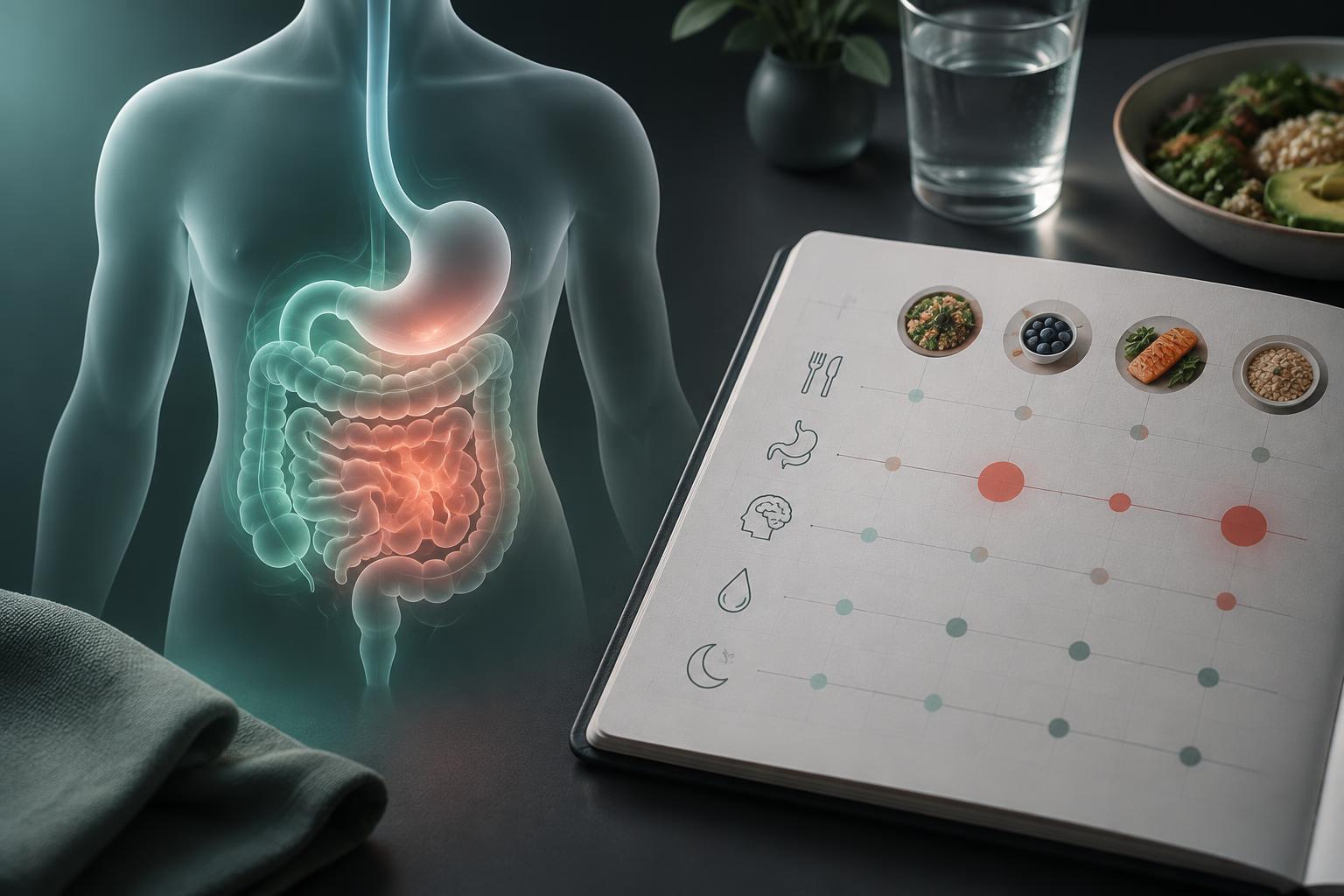
Use a short log to make the pattern clearer
Track stool form, straining, medicines, fibre changes, drinks, movement and symptoms. A concise record helps a clinician see whether the problem is occasional or persistent.
Gut Pace is built for this kind of short log: Bristol stool entries take a few seconds, hydration is a tap, and meals and activity sit on the same day. After a couple of weeks you can see whether harder stools tend to follow low-fluid days, long sitting or a change in routine — and share a clear history with your GP if the problem continues.
At a glance
Key takeaways
- Constipation includes stool form and straining, not just frequency.
- Fibre changes should be gradual and paired with appropriate fluids.
- Movement and toilet routine can support self-care.
- Medicines may contribute and should be reviewed safely.
- Obstruction symptoms or bleeding need prompt care.
Frequently asked questions
How many bowel movements are normal?
Normal varies. Comfort, stool form, straining and change from your personal baseline matter more than a fixed daily number.
What foods help constipation?
Tolerated fruits, vegetables, whole grains, pulses, nuts and seeds can add fibre, but increase them gradually.
Does water cure constipation?
Fluid can help when intake is low or fibre is increasing, but more water alone does not fix every cause.
Is it safe to use laxatives?
Different laxatives suit different situations. A pharmacist or clinician can help select and review them, especially for recurring symptoms.
Can stress cause constipation?
Stress and routine changes may affect bowel function, but persistent constipation still deserves a full review.
When should constipation be checked?
Seek advice for a persistent new change, significant pain, weight loss, bleeding or repeated need for treatment.
Can Gut Pace diagnose constipation?
No. It can organise stool and routine patterns for review but cannot diagnose the cause.
Editorial information
Reviewed by the Gut Pace Editorial Team for evidence-informed wording, practical clarity and appropriate medical-safety guidance.
Last reviewed: Sep 12, 2026
Sources & further reading
This article is for general information only and is not medical advice. It does not diagnose or treat any condition. Speak with a doctor or registered dietitian about persistent, severe or concerning symptoms.